The Ultimate Guide to Making Drunken Noodles at Home
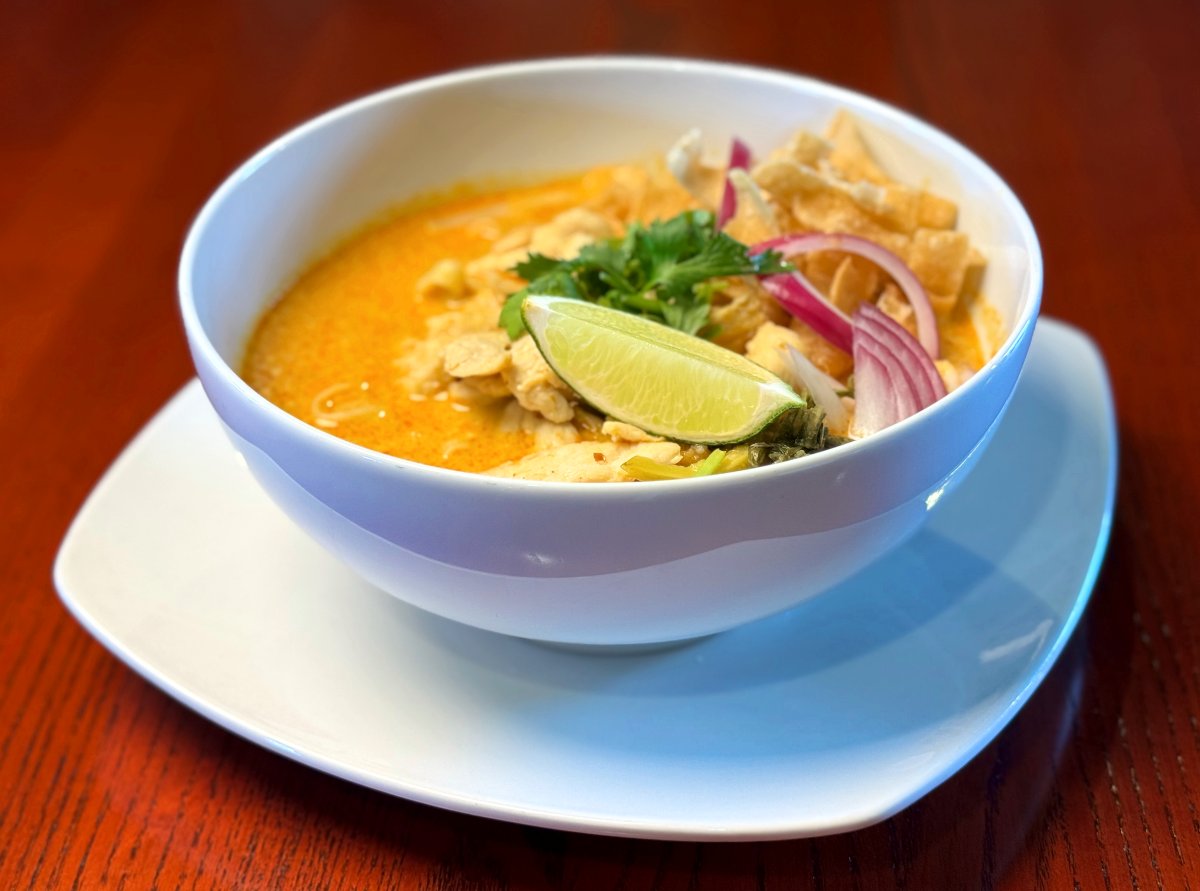
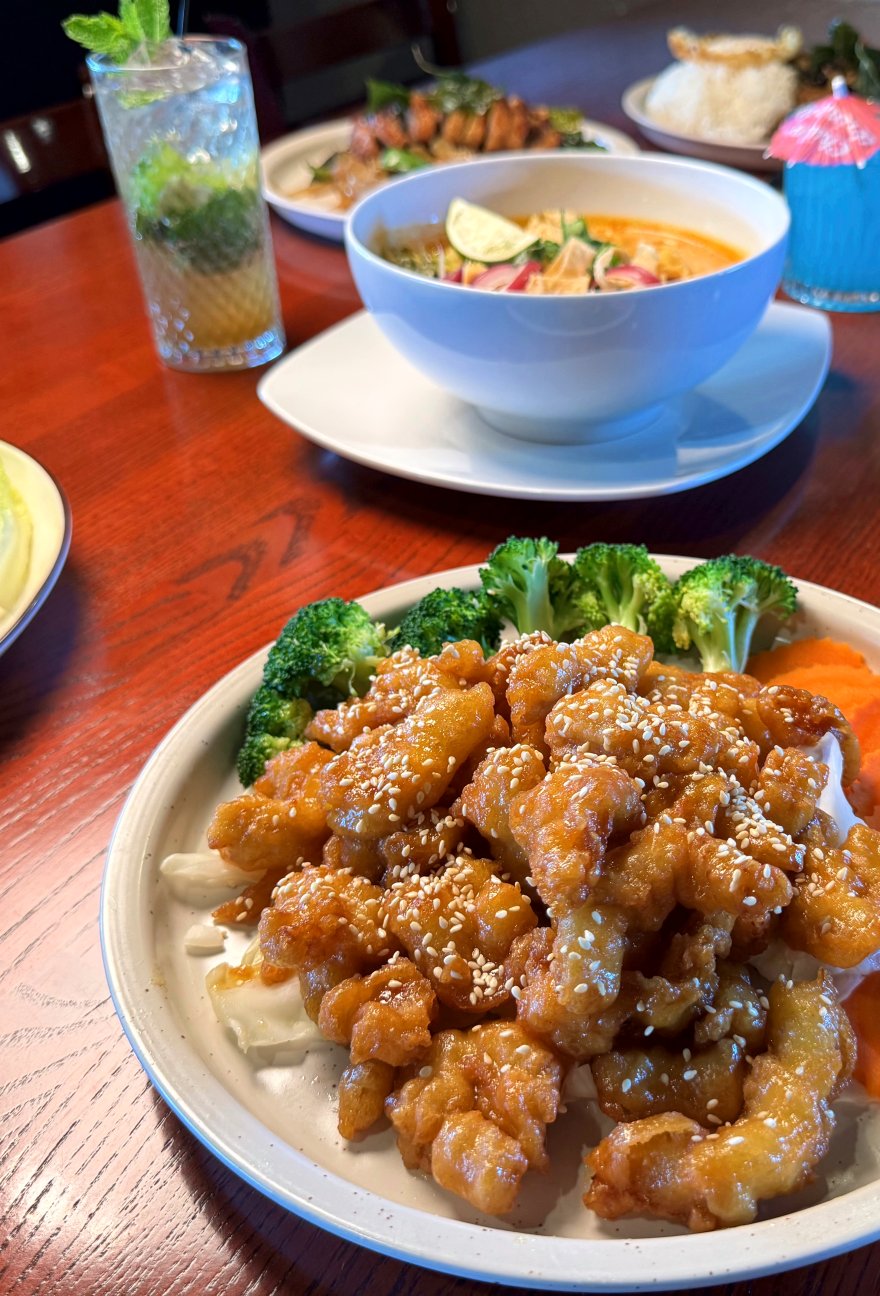

Drunken Noodles reward a cook who likes heat, speed, and a little controlled chaos. The dish lands on the table glossy, fragrant, and deeply savory, with broad rice noodles catching sauce in every fold. Good pad kee mao, the Thai name most cooks use, tastes smoky from hard pan heat, spicy without being one-note, and herbal from fresh basil added at the last moment. Great pad kee mao does all of that while keeping the noodles springy instead of mushy.
That balance is why so many home versions disappoint. The sauce can turn too sweet, the noodles can clump into one dense slab, and the vegetables often get steamed rather than stir-fried. None of those problems are inevitable. Once you understand a few points that matter more than the recipe card, you can make Drunken Noodles at home that feel restaurant-worthy, even on a standard stove.
What Drunken Noodles actually are
Despite the English name, the dish usually does not contain alcohol. There are a few stories about where the name came from. One is that the noodles are bold enough to pair well with late-night drinking. Another is that the cook who invented them was drunk. Those stories are colorful, but they do not help much in the kitchen.
What matters is the style. Drunken Noodles are a high-heat stir-fry built around wide rice noodles, a sauce with salty, sweet, and umami depth, fresh chilies or chili paste, garlic, vegetables with some bite, and basil, usually Thai basil if you can get it. The flavor profile is not identical to pad see ew, which leans sweeter and usually skips the prominent basil and chile punch. It is also different from a noodle dish built primarily around tamarind or peanut. Drunken Noodles live in the territory of soy, oyster sauce, fish sauce, heat, and aromatic herbs.
If you have eaten excellent restaurant versions, you probably remember three things. The noodles had dark caramelized spots without tasting burned. The basil aroma hit first. And the sauce coated everything without pooling at the bottom of the plate. Those are the benchmarks to aim for.
The ingredients that matter most
You can improvise around protein and vegetables, but not around noodle type and sauce structure. Broad rice noodles are the signature. Fresh wide rice noodles are ideal because they are pliable and absorb sauce beautifully while still keeping some chew. Dried wide rice noodles can work very well, but they need careful soaking and cooking so they do not split or turn gummy.
The sauce usually combines oyster sauce, light soy sauce, dark soy sauce, fish sauce, and a little sugar. Not every cook uses the exact same ratio, and that is normal. Oyster sauce provides body and a rounded savory sweetness. Light soy adds salt. Dark soy brings color and a hint of molasses-like depth. Fish sauce sharpens the whole mix and gives that unmistakable Thai backbone. Sugar, in a small amount, ties everything together rather than making the dish taste sugary.
Then there is the heat source inside the pan, which comes from fresh bird’s eye chilies, chili paste, or both. Fresh chilies give immediate brightness. Chili paste adds depth and disperses more evenly into the oil. If you like layered heat rather than blunt heat, combining the two is often better than relying on one alone.
Garlic is non-negotiable. So is basil. If you can find Thai basil, use it. It has a slight anise note that belongs in the dish. Italian basil is an acceptable substitute in a pinch, and I have used it on busy weeknights with perfectly good results, but the final dish tastes softer and more Mediterranean-adjacent. It loses that slightly wild top note that makes Drunken Noodles unmistakable.
Protein is flexible. Chicken is common and reliable. Thinly sliced beef works well if you want a richer version. Shrimp cooks fast and picks up sauce beautifully. Tofu can be excellent, but it has to be pressed or pre-fried enough to stand up to aggressive stir-frying. Ground pork is underrated here because it browns quickly and adds lots of flavor to the sauce.
Vegetables should bring contrast, not water. Chinese broccoli is classic and excellent because the stems stay snappy while the leaves wilt into the sauce. Bell peppers are common and useful for sweetness and color. Onions add sweetness if they get a little char. Green beans, baby corn, and mushrooms can all work, but the more moisture-heavy vegetables you add, the more you risk steaming the pan and diluting the sauce.
Fresh noodles versus dried noodles
If your local Asian market sells fresh wide rice noodles in refrigerated packs, that is often the easiest route to a convincing result. The catch is that fresh rice noodles can stick together badly if they are cold and compressed. The best way to handle them is gently. Separate them by hand, ideally after letting them sit at room temperature long enough to soften. If they still resist, a few seconds in the microwave or a brief steam can loosen them. What you want is flexibility without fragility.
Dried rice noodles are more widely available, but they demand more judgment. Package instructions often overshoot for stir-frying. If you boil them fully, they keep cooking in the pan and can collapse. I prefer to soak or undercook them so they are just shy of done, then finish them in the sauce. They should feel a little firmer than you think they should. That extra resilience buys you control once the heat goes high.
One common mistake is rinsing cooked noodles too aggressively and then leaving them wet. Water clinging to the noodles thins the sauce and drops the pan temperature. If you need to rinse to stop cooking, drain thoroughly and toss with a tiny bit of neutral oil so they do not weld themselves together.
The sauce, and why ratios matter more than recipes
A good Drunken Noodles sauce should taste a little too intense on its own. Once it hits bland noodles, vegetables, and protein, the whole dish balances out. If your mixed sauce tastes merely pleasant from the spoon, the finished stir-fry may taste flat.
A useful starting point for about two generous servings is two tablespoons oyster sauce, one and a half tablespoons light soy sauce, one teaspoon dark soy sauce, one to two teaspoons fish sauce, and one to two teaspoons sugar. That range matters because brands vary. Some oyster sauces are sweeter and thicker than others. Some fish sauces are much more assertive. Taste the mixture before you cook. If it seems harshly salty, add a touch more sugar. If it tastes muddy and sweet, add a little more fish sauce or soy.
This is also where home cooks can personalize the dish intelligently. If you like a darker, more lacquered finish, nudge up the dark soy slightly, but not too much. It can dominate fast. If you want more savory depth, a little more oyster sauce is safer than pouring in extra soy. If you want the basil and chilies to stand out more clearly, keep the sweetness restrained.
I have found that adding lime juice directly to the sauce often pushes the dish away from the profile I want. A squeeze at the table is fine for some palates, but in the pan it can flatten the deep savory notes. Drunken Noodles are not supposed to taste sharply sour.
Heat is the hidden ingredient
Restaurant versions often have wok hei, the smoky, seared aroma associated with very high-heat wok cooking. Most home ranges cannot fully replicate that. You can still get close enough to make the dish exciting.
The first rule is not to crowd the pan. A packed skillet releases moisture and creates steam. Steam softens vegetables, weakens browning, and turns the noodles slick rather than lightly charred. If you are cooking more than two portions, make it in batches. This is one of those cases where patience gives a real payoff.
The second rule is to preheat properly. The pan should be very hot before oil goes in, and the oil should heat before the aromatics hit. Garlic and chilies need only seconds to bloom. If they sit too long in insufficient heat, they go from raw to bitter without ever becoming fragrant.
The third rule is to stage your ingredients before you start. Stir-frying Drunken Noodles is not the time to slice peppers while the chicken waits in the pan. Once you begin, the dish moves in bursts of ten to thirty seconds. Professional cooks call this mise en place for a reason. It is not fussy, it is practical.
Building the dish without turning it soggy
There is a rhythm to making Drunken Noodles at home, and the order makes a visible difference.
- Mix the sauce, separate the noodles, and prep every ingredient before the pan goes on the heat.
- Sear the protein first, then remove it if needed so it does not overcook while the vegetables and noodles finish.
- Cook garlic and chilies briefly in hot oil, add sturdy vegetables, then the noodles and sauce.
- Return the protein, toss hard over high heat until the sauce clings, then fold in basil at the end.
- Serve immediately, because the noodles soften as they sit.
That sequence looks simple, but each stage has a purpose. Removing the protein is especially useful on a home stove. Chicken breast, for example, can dry out if it remains in the pan while you fight with clumped noodles. Shrimp become rubbery in less than a minute of overcooking. Pulling them early solves that problem.
When the noodles go in, use tongs or two spatulas to lift and turn rather than mashing. Rice noodles tear easily when handled roughly. You want to spread them so they contact the pan, then flip sections so they get a little color. If you dump the sauce in all at once over a cold noodle mass, it will run to the bottom. If you warm and loosen the noodles first, then add the sauce, it coats far more evenly.
Basil should go in at the very end. Its job is to wilt, not cook down. Thirty seconds is often enough. The residual heat should release the aroma just as the dish leaves the pan.
Choosing the right pan at home
A wok is excellent if you own one and your stove can support it. A carbon steel wok on a strong gas burner is ideal for this style of cooking. But many people use flat electric or induction ranges, and a wok may not heat evenly there. In that case, a large heavy skillet, especially carbon steel or cast iron, often outperforms a round-bottom wok.
The trade-off is tossing room versus contact. A wok gives you height and movement. A skillet gives you broad direct searing area. For Drunken Noodles on an average home stove, direct contact can matter more. I have made better weeknight versions in a ripping-hot twelve-inch skillet than in a poorly heated wok, simply because the noodles had more hot metal to touch.
Nonstick pans are convenient, but they are not my first choice here. They generally should not be heated as aggressively, and that limits the char and rapid evaporation you want. If nonstick is what you have, keep the batch small and accept that your noodles may be a little softer and less smoky. The dish can still be good.
Common problems, and how to fix them fast
Most home-cooked Drunken Noodles go wrong in predictable ways. Once you know the causes, you can adjust in real time.
If the noodles clump, they were either too cold, too compressed, or not separated enough before cooking. Next time loosen them earlier. In the moment, a tablespoon or two of water can help release them, but use it sparingly because too much will wash out the sauce.
If the dish tastes salty but somehow bland, the issue is usually imbalance rather than excess seasoning alone. Add basil, a pinch of sugar, or more noodles and vegetables if you have them. Salty dishes often need more aroma and body, not just dilution.
If everything tastes watery, the pan was crowded or the vegetables released too much liquid. The best emergency fix is more heat and a little patience. Let the moisture cook off before adding more sauce. Pouring in extra sauce too soon often makes the dish even looser.
If the noodles break apart, they were over-soaked, over-boiled, or stirred too aggressively. Shorten the soaking time and handle with a lifting motion next round.
If the flavor seems flat even though the sauce ingredients were correct, check the garlic, chilies, and basil. Drunken Noodles depend on fresh aromatic impact. Old garlic, timid heat, and tired basil leave the dish technically seasoned but emotionally dull.
Protein and vegetable variations that actually work
There is room to adapt this dish without losing its identity. The most successful variations respect two things: cooking speed and water content.
Chicken thigh is a favorite of mine because it stays juicy under fierce heat and has more flavor than breast. Slice it thinly so it cooks in under two minutes. Beef should be cut across the grain, and it benefits from a very light marinade with soy and a touch of oil if you have time. Shrimp need almost no preparation beyond drying them well. Tofu should be firm or extra-firm, pressed, and ideally browned separately before entering the stir-fry.
For vegetables, think in layers. Hard vegetables such as green beans need a head start. Bell peppers and onions can go in next. Leafy components such as bok choy leaves or Chinese broccoli leaves should go near the end. Mushrooms can be great, but they give off a lot of moisture, so cook them long enough to evaporate that liquid before the noodles enter.
A version with chicken, onion, bell pepper, and Chinese broccoli is about as dependable as it gets. A version with shrimp and long beans is sharper and lighter. A tofu and mushroom version can be deeply satisfying, but it needs an especially hot pan and restraint with quantity.
Making it taste like takeout, only better
People often mean three things when they say they want restaurant flavor at home. They want stronger aroma, better texture, and a sauce that feels integrated rather than spooned on. All three come from technique more than secret ingredients.
For aroma, bloom garlic and chilies in properly heated oil and finish with fresh basil. For texture, slightly undercook or properly temper the noodles before stir-frying. For sauce integration, mix the sauce beforehand and reduce it in the pan just enough that it glazes the noodles rather than bathing them.
There is also a small but important point about sugar. Restaurant dishes sometimes taste better not because they are sweeter, but because the sugar rounds rough edges. A teaspoon used wisely can make soy, fish sauce, and chile taste more complete. A tablespoon too many makes the dish heavy and generic.
Another restaurant habit worth borrowing is restraint with quantity. An overfilled pan punishes the cook every time. Two portions in one batch usually beat four portions in a crowded skillet. If you are feeding more people, cook multiple rounds and keep the first batch warm briefly. The quality gap is noticeable.
A practical home formula
If you want a dependable blueprint, think in terms of one pound of fresh wide rice noodles or eight to ten ounces dried, eight ounces of protein, two to three cups of vegetables, and roughly four to five tablespoons total sauce components plus aromatics. That gives you enough coverage https://maps.app.goo.gl/wEbpDYfz5VjY5inF9 without drowning the noodles.
A typical batch might use chicken thigh sliced thin, a handful of onion wedges, a sliced red bell pepper, and chopped Chinese broccoli. Mix your sauce while the pan heats. Sear the chicken in a tablespoon of neutral oil, remove it, then flash garlic and chopped chilies for about ten seconds. Add the vegetables and stir-fry until they are just crisp-tender. Add the noodles, loosen them with quick tossing, pour in the sauce, and let everything contact the hot pan long enough to caramelize in spots. Return the chicken, toss until glossy, then add a large handful of Thai basil and cut the heat.
That whole active cooking phase may take four to six minutes. The prep takes longer than the stir-fry itself. That is normal. It is also one reason this dish can feel intimidating the first time. After two or three rounds, it becomes one of the fastest high-reward dinners you can make.
What to serve with it, and what not to fuss over
Drunken Noodles are usually a complete plate on their own. You do not need side dishes unless you are building a larger meal. If you are, keep the accompaniments simple and not too sweet. A crisp cucumber salad or a light broth works better than something rich and creamy.
You also do not need to obsess over authenticity in ways that make home cooking joyless. Use Thai basil if possible, but do not cancel dinner if you only have regular basil. Use fresh rice noodles if available, but dried can be excellent. What deserves your attention is the core method: hot pan, small batch, balanced sauce, fresh aromatics, and disciplined timing.
The version you will make again
The best homemade Drunken Noodles are the ones you can repeat without stress. That usually means a short ingredient list you can remember, a pan you trust, and a feel for doneness rather than blind dependence on a timer. Once you understand the structure, the dish becomes forgiving in the right places. Swap chicken for shrimp, peppers for green beans, fresh chiles for chili paste. Keep the essentials intact and it still reads clearly as Drunken Noodles.
If I had to reduce the whole dish to one practical lesson, it would be this: treat it like a stir-fry, not like sauced noodles. That distinction changes everything. You are not boiling pasta and topping it. You are building flavor in stages under high heat, giving each ingredient a chance to contribute texture and aroma before the whole thing comes together.
Get that right and the payoff is immediate. The noodles stay glossy and resilient. The basil perfumes the steam. The sauce clings instead of puddling. And dinner tastes like something made by a cook who knows when to push the heat and when to stop, which is exactly what Drunken Noodles ask for.
Nakhon Luang Thai Kitchen
Address: 805 Village Center Dr, Colorado Springs, CO 80919
Phone number: +17195315175
FAQ About Drunken Noodles
What makes it drunken noodles?
Drunken noodles, or Pad Kee Mao, get their name from the Thai word khi mao (meaning "drunkard"). They contain no alcohol. The name comes from the idea that the dish is a popular late-night meal to cure a hangover or a great food to eat with a cold beer.
What is the difference between pad see ew and drunken noodles?
While both Pad See Ew and Drunken Noodles use the same wide rice noodles, Pad See Ew is a mild, sweet-savory dish made with dark soy sauce and Chinese broccoli, whereas Drunken Noodles (Pad Kee Mao) are fiery, garlicky, and herbaceous with fresh chilies and Thai basil.
What are traditional drunken noodles?
Traditional drunken noodles, known as Pad Kee Mao in Thai, are a fiery, savory street food stir-fry made with wide flat rice noodles, fresh garlic, lots of hot chilies, meat or tofu, and fragrant holy basil. Despite the name, they contain no alcohol; the dish is traditionally eaten late at night or as a hangover cure because the intense spice helps clear the head.